Review Article

RMMJ Rambam Maimonides Medical Journal Rambam Health Care Campus 2026; 17(1): e0006. ISSN: 2076-9172
Published online 2026 January 28. doi: 10.5041/RMMJ.10565

Incretin Analogues for Weight Reduction in Non-Diabetic Obese: A Review of Liraglutide, Semaglutide, and Tirzepatide Beyond Glycemic Control

Krishna Nikhila Bonga, M.D.1 and Milan Padhan, M.D.2*

1Department of Pharmacology, All India Institute of Medical Sciences (AIIMS), Bhubaneswar, India
2Department of Clinical Pharmacology, Jawaharlal Institute of Postgraduate Medical Education and Research (JIPMER), Puducherry, India

* To whom correspondence should be addressed. E-mail: milanpadhan12@gmail.com | ORCID ID: 0009-0003-0292-1882

Abstract

Obesity is a complex, multifactorial disease that contributes to a broad range of cardiometabolic, reproductive, and psychological disorders. Representing a major global health challenge, obesity can be addressed by lifestyle modifications such as reduced calorie intake, physical activity, adequate sleep, and stress management to help achieve sustainable weight loss and improve metabolic health in the long term. Glucose-dependent insulinotropic polypeptide (GIP) and glucagon-like peptide-1 (GLP-1) are the two naturally produced incretin hormones in the gastrointestinal tract. Incretin analogues were initially approved for type 2 diabetes mellitus but were later found to exhibit weight-reducing properties. Liraglutide, semaglutide, and tirzepatide are the three incretin analogues approved for obesity in non-diabetic patients. This narrative review presents detailed comparisons of the three approved incretin analogues for obesity, their cost-effectiveness, and trends in the clinical setting.

Keywords: Liraglutide, obesity, semaglutide, tirzepatide, weight reduction

INTRODUCTION

Obesity is a complex multifactorial disease characterized by abnormal or excessive fat accumulation that poses health risks associated with increased morbidity and mortality.1 A body mass index over 30 kg/m2 is defined as obesity.2 It affects almost all organ systems, leading to numerous comorbid conditions and diminished quality of life. It is associated with a wide range of complications, including type 2 diabetes mellitus (T2DM), hypertension, dyslipidemia, cardiovascular disease, stroke, obstructive sleep apnea, non-alcoholic fatty liver disease, osteoarthritis, gastroesophageal reflux disease, gallstones, polycystic ovary syndrome, infertility, certain cancers, and psychological conditions such as depression and anxiety.1,3,4

Lifestyle modifications such as reducing calorie intake, engaging in physical activity, obtaining adequate sleep, and managing stress help achieve sustainable weight loss and improve metabolic health in the long term.5,6 Pharmacological medications like orlistat, phentermine-topiramate, phentermine, naltrexone-bupropion, and some incretin analogues have been approved in obesity management.7 Glucose-dependent insulinotropic polypeptide (GIP) and glucagon-like peptide-1 (GLP-1) are the two naturally produced incretin hormones in the gastrointestinal tract.8 Incretin analogues were initially approved for T2DM and showed a weight reduction property.1

Intragastric balloon systems, bariatric endoscopic surgery, gastric emptying (aspiration) systems, and hydrogels may be considered for patients who do not tolerate or respond to or who prefer to avoid medications; those who are unwilling or unsuitable for bariatric surgery; or as a bridging option prior to surgery.9,10

Liraglutide, semaglutide, and tirzepatide are the three incretin analogues approved for obesity in non-diabetic patients.8 This narrative review presents detailed comparisons of the three approved incretin analogues for obesity and their cost effectiveness.

OVERVIEW OF INCRETIN ANALOGUES FOR WEIGHT REDUCTION

A comparative analysis of the pharmacological similarities and differences among liraglutide, semaglutide, and tirzepatide is presented in Table 1.
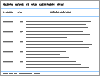
Table 1Table 1
Comparison of Liraglutide, Semaglutide, and Tirzepatide.1123

Clinical Evidence for Weight Loss in Non-diabetic Obese
Evidence from major randomized trials has demonstrated clinically meaningful weight loss with liraglutide, semaglutide, and tirzepatide in non-diabetic adults.

Liraglutide. In the 32-week SCALE trial, liraglutide 3 mg led to a significantly greater mean percentage weight loss compared to placebo (−5.7% versus −1.6%), along with a greater reduction in the apnea–hypopnea index (−12.2 versus −6.1 events/hour) in individuals with obesity and moderate or severe obstructive sleep apnea.11

Semaglutide. Semaglutide has demonstrated significant weight reduction in multiple clinical trials. In the 68-week STEP 1 trial, participants receiving a once-weekly 2.4 mg dose of semaglutide experienced a mean weight change of −14.9%, compared to −2.4% with placebo.12 Similarly, the STEP 3 trial reported a mean weight change of −16.0% with semaglutide versus −5.7% with placebo.13 In the STEP 4 trial, participants who continued semaglutide after a 20-week run-in period maintained further weight change (−7.9%) by week 68, whereas those switched to placebo regained weight, showing a mean change of +6.9%.14

Semaglutide versus Liraglutide. In the 68-week STEP 8 trial, a statistically significant reduction in body weight was observed, with a mean percentage change of −15.8% for once-weekly semaglutide 2.4 mg and −6.4% for once-daily liraglutide 3 mg.15

Tirzepatide. In the 72-week SURMOUNT 1 trial, tirzepatide resulted in mean weight change of −15.0%, −19.5%, and −20.9% with weekly doses of 5 mg, 10 mg, and 15 mg, respectively, compared to −3.1% with placebo.16 Similarly, in the 72-week SURMOUNT 3 trial, tirzepatide at its maximum tolerated dose (MTD) of 10 or 15 mg achieved a statistically significant mean weight change of −18.4%, compared to a −2.5% change with placebo.17

Safety
The overall safety profile of these agents is generally favorable, with most adverse effects involving the gastrointestinal system (nausea, vomiting, diarrhea, constipation, and headache). A high incidence of gastrointestinal adverse effects has been reported, which was dose-dependent. Based on animal studies, all these drugs have a boxed warning for a potential risk of thyroid C-cell tumors, including medullary thyroid carcinoma.24,25

Off-label and Emerging Uses
Beyond their approved indications, incretin analogues have been investigated for various metabolic and endocrine conditions. Off-label use has been proposed for several conditions, including polycystic ovary syndrome,26,27 non-alcoholic fatty liver disease,28 prediabetes and metabolic syndrome,29,30 obstructive sleep apnea,11,31 weight regain after bariatric surgery,32 and cardiovascular diseases,33 including heart failure with preserved ejection fraction.34,35

Oral Semaglutide for Obesity
Recent efforts have focused on developing an oral semaglutide to improve accessibility and patient compliance. Oral peptides have poor bioavailability due to their enzymatic degradation in the intestine. Sodium N-(8-[2-hydroxybenzoyl] amino) caprylate (SNAC), an intestinal permeation enhancer, adheres to the gastric mucosa, enabling the effective oral delivery of peptides like semaglutide. The oral formulation of semaglutide utilizes SNAC technology to enhance its absorption in the stomach and protect it from degradation by gastric enzymes.36,37 Oral semaglutide has been approved only for T2DM and is not yet approved for obesity.

Spending and Real-world Utilization
The growing use of these medications has led to significant changes in prescription trends and healthcare spending. Between 2018 and 2023, total US spending on GLP-1 receptor agonists rose by over 500%, climbing from $13.7 billion to $71.7 billion. During this period, spending on liraglutide increased from $0.56 billion to $0.89 billion. Meanwhile, from 2021 to 2023, spending on semaglutide surged from $0.58 billion to $6.99 billion.38

Practical Considerations in Clinical Use
Clinicians should consider factors such as cost, tolerability, and patient adherence when prescribing these agents. Cost and insurance coverage should be evaluated, as affordability often determines long-term adherence. The therapeutic benefit of GLP-1 receptor agonists in promoting satiety is closely linked to their ability to delay gastric emptying, resulting in gastric distension. While this contributes to weight loss, it frequently causes nausea, vomiting, and other gastrointestinal symptoms. Constipation, diarrhea, and, in some cases, gallstone formation have also been described due to altered intestinal and biliary motility. These adverse effects are clinically relevant, as they often affect treatment compliance and may necessitate dose adjustment or discontinuation.3942 Patients must be educated about expected gastrointestinal adverse effects, which often subside with time. Studies have shown that when combined with lifestyle modifications, such as calorie restriction and increased physical activity, these agents can sustain long-term weight loss.43,44 The disadvantages of losing muscle mass during weight loss are being recognized, and work is underway on ways to preserve muscle mass while losing fat. Animal studies have suggested that antibody blockade of activin type II receptors may preserve lean mass and increase fat loss during treatment with GLP-1 receptor agonists.45

Is Weight Loss Maintained after Stopping?
The durability of weight loss following treatment discontinuation remains an important clinical question. These incretin analogues reduce appetite and food intake. However, upon discontinuation, appetite typically increases, often leading to weight regain. In the STEP 1 extension trial, patients who stopped semaglutide regained approximately two-thirds of the weight they had lost within a year. Since all these drugs act through a similar mechanism, the risk of weight regain remains.46 Therefore, continued use of the medication as prescribed by a physician is essential for sustained weight management.

Ethical and Societal Considerations
The expanding use of GLP-1 receptor agonists beyond their approved indications raises important ethical and societal concerns. While these agents offer substantial clinical benefits for individuals with obesity or T2DM, their use among populations that are not medically ill, such as those seeking cosmetic weight reduction, presents moral and distributive challenges. With monthly list prices often in the range of US$1,000–$1,500, these drugs remain unaffordable for many uninsured or low-income patients, thereby widening existing health disparities. In addition, the widespread off-label or lifestyle-driven use of GLP-1 receptor agonists can contribute to drug shortages, limiting access for patients with established medical indications such as T2DM. The rapid commercialization and pervasive social-media promotion of GLP-1 receptor agonists raise further moral questions surrounding the medicalization of normal body image, the potential reinforcement of obesity-related stigma, and the influence of pharmaceutical marketing on prescribing behaviors.38,47,48

FUTURE DIRECTIONS AND RESEARCH GAPS

Research is ongoing to explore the use of these drugs in additional indications such as cardiovascular disease, chronic kidney disease, and non-alcoholic steatohepatitis, potentially leading to expanded therapeutic applications in the future. While oral semaglutide is currently approved for T2DM, clinical trials are underway to evaluate its effectiveness in treating obesity. In the TRIUMPH-1 trial, retatrutide, a triple agonist targeting GLP-1, GIP, and glucagon receptors, demonstrated ~24% body weight loss over 48 weeks, suggesting it may surpass tirzepatide in weight reduction.49 Additionally, the REDEFINE trial showed that the combination of semaglutide with cagrilintide (an amylin analogue) resulted in enhanced weight loss compared to semaglutide alone.50

CONCLUSION

To conclude, the evolution of incretin analogues for obesity has led to increasingly potent options for weight loss, progressing from liraglutide through semaglutide to tirzepatide. While all offer valuable therapeutic benefits, the greater efficacy of the newer, weekly-administered agents, semaglutide and tirzepatide, coupled with their potentially lower overall cost, marks a significant advancement in obesity pharmacotherapy.

Abbreviations

GIP glucose-dependent insulinotropic polypeptide
GLP-1 glucagon-like peptide-1
SNAC sodium N-(8-[2-hydroxybenzoyl] amino) caprylate
T2DM type 2 diabetes mellitus.

Footnotes

Conflict of interest: No potential conflict of interest relevant to this article was reported.

REFERENCES
1.
Sarma S, Sockalingam S, Dash S. Obesity as a multisystem disease: trends in obesity rates and obesity-related complications. Diabetes Obes Metab 2021;23 (Suppl 1):3–16. https://doi.org/10.1111/dom.14290.
2.
Lin X, Li H. Obesity: epidemiology, pathophysiology, and therapeutics. Front Endocrinol (Lausanne) 2021; 12:706978. https://doi.org/10.3389/fendo.2021.706978.
3.
Seravalle G, Grassi G. Obesity and hypertension. Pharmacol Res 2017;122:1–7. https://doi.org/10.1016/j.phrs.2017.05.013.
4.
Broughton DE, Moley KH. Obesity and female infertility: potential mediators of obesity’s impact. Fertil Steril 2017;107:840–7. https://doi.org/10.1016/j.fertnstert.2017.01.017.
5.
Friedenreich CM, Ryder-Burbidge C, McNeil J. Physical activity, obesity and sedentary behavior in cancer etiology: epidemiologic evidence and biologic mechanisms. Mol Oncol 2021;15:790–800. https://doi.org/10.1002/1878-0261.12772.
6.
Oppert JM, Ciangura C, Bellicha A. Physical activity and exercise for weight loss and maintenance in people living with obesity. Rev Endocr Metab Disord 2023;24:937–49. https://doi.org/10.1007/s11154-023-09805-5.
7.
Gudzune KA, Kushner RF. Medications for obesity: a review. JAMA 2024;332:571–84. https://doi.org/10.1001/jama.2024.10816.
8.
Liu QK. Mechanisms of action and therapeutic applications of GLP-1 and dual GIP/GLP-1 receptor agonists. Front Endocrinol (Lausanne) 2024;15: 1431292. https://doi.org/10.3389/fendo.2024.1431292.
9.
Swei E, Almuhaidb A, Sullivan S, et al. Comparison of the efficacy and safety of the FDA-approved intragastric balloon systems in a clinical setting. J Clin Gastroenterol 2023;57:578–85. https://doi.org/10.1097/mcg.0000000000001718.
10.
Jirapinyo P, Hadefi A, Thompson CC, et al. American Society for Gastrointestinal Endoscopy-European Society of Gastrointestinal Endoscopy guideline on primary endoscopic bariatric and metabolic therapies for adults with obesity. Endoscopy 2024;56:437–56. https://doi.org/10.1055/a-2292-2494.
11.
Blackman A, Foster GD, Zammit G, et al. Effect of liraglutide 3.0 mg in individuals with obesity and moderate or severe obstructive sleep apnea: the SCALE Sleep Apnea randomized clinical trial. Int J Obes (Lond) 2016;40:1310–19. https://doi.org/10.1038/ijo.2016.52.
12.
Wilding JPH, Batterham RL, Calanna S, et al. Once-weekly semaglutide in adults with overweight or obesity. N Engl J Med 2021;384:989–1002. https://doi.org/10.1056/NEJMoa2032183.
13.
Wadden TA, Bailey TS, Billings LK, et al. Effect of subcutaneous semaglutide vs placebo as an adjunct to intensive behavioral therapy on body weight in adults with overweight or obesity: the STEP 3 randomized clinical trial. JAMA 2021;325:1403–13. https://doi.org/10.1001/jama.2021.1831.
14.
Rubino D, Abrahamsson N, Davies M, et al. Effect of continued weekly subcutaneous semaglutide vs placebo on weight loss maintenance in adults with overweight or obesity: the STEP 4 randomized clinical trial. JAMA 2021;325:1414–25. https://doi.org/10.1001/jama.2021.3224.
15.
Rubino DM, Greenway FL, Khalid U, et al. Effect of weekly subcutaneous semaglutide vs daily liraglutide on body weight in adults with overweight or obesity without diabetes: the STEP 8 randomized clinical trial. JAMA 2022;327:138–50. https://doi.org/10.1001/jama.2021.23619.
16.
Jastreboff AM, Aronne LJ, Ahmad NN, et al. Tirzepatide once weekly for the treatment of obesity. N Engl J Med 2022;387:205–16. https://doi.org/10.1056/NEJMoa2206038.
17.
Wadden TA, Chao AM, Machineni S, et al. Tirzepatide after intensive lifestyle intervention in adults with overweight or obesity: the SURMOUNT-3 phase 3 trial. Nat Med 2023;29:2909–18. https://doi.org/10.1038/s41591-023-02597-w.
18.
Liu L, Cui J, Neidecker MV, Nahata MC. Tirzepatide vs semaglutide and liraglutide for weight loss in patients with overweight or obesity without diabetes: a short-term cost-effectiveness analysis in the United States. J Manag Care Spec Pharm 2025;31:441–50. https://doi.org/10.18553/jmcp.2025.31.5.441.
19.
Elmaleh-Sachs A, Schwartz JL, Bramante CT, Nicklas JM, Gudzune KA, Jay M. Obesity management in adults: a review. JAMA 2023;330:2000–15. https://doi.org/10.1001/jama.2023.19897.
20.
Zinman B, Nauck MA, Bosch-Traberg H, Frimer-Larsen H, Ørsted DD, Buse JB. Liraglutide and glycaemic outcomes in the LEADER trial. Diabetes Ther 2018;9:2383–92. https://doi.org/10.1007/s13300-018-0524-z.
21.
Marso SP, Bain SC, Consoli A, et al. Semaglutide and cardiovascular outcomes in patients with type 2 diabetes. N Engl J Med 2016;375:1834–44. https://doi.org/10.1056/NEJMoa1607141.
22.
Lincoff AM, Brown-Frandsen K, Colhoun HM, et al. Semaglutide and cardiovascular outcomes in obesity without diabetes. N Engl J Med 2023;389:2221–32. https://doi.org/10.1056/NEJMoa2307563.
23.
Nicholls SJ, Bhatt DL, Buse JB, et al. Comparison of tirzepatide and dulaglutide on major adverse cardiovascular events in participants with type 2 diabetes and atherosclerotic cardiovascular disease: SURPASS-CVOT design and baseline characteristics. Am Heart J 2024;267:1–11. https://doi.org/10.1016/j.ahj.2023.09.007.
24.
Feier CVI, Vonica RC, Faur AM, Streinu DR, Muntean C. Assessment of thyroid carcinogenic risk and safety profile of GLP1-RA semaglutide (Ozempic) therapy for diabetes mellitus and obesity: a systematic literature review. Int J Mol Sci 2024;25. https://doi.org/10.3390/ijms25084346.
25.
Drucker DJ. Efficacy and safety of GLP-1 medicines for type 2 diabetes and obesity. Diabetes Care 2024; 47:1873–88. https://doi.org/10.2337/dci24-0003.
26.
Somagutta MR, Jain M, Uday U, et al. Novel antidiabetic medications in polycystic ovary syndrome. Discoveries (Craiova) 2022;10:e145. https://doi.org/10.15190/d.2022.4.
27.
Szczesnowicz A, Szeliga A, Niwczyk O, Bala G, Meczekalski B. Do GLP-1 analogs have a place in the treatment of PCOS? New insights and promising therapies. J Clin Med 2023;12. https://doi.org/10.3390/jcm12185915.
28.
Singh A, Sohal A, Batta A. GLP-1, GIP/GLP-1, and GCGR/GLP-1 receptor agonists: novel therapeutic agents for metabolic dysfunction-associated steatohepatitis. World J Gastroenterol 2024;30:520511. https://doi.org/10.3748/wjg.v30.i48.5205.
29.
Ukhanova M, Wozny JS, Truong CN, Ghosh L, Krause TM. Trends in glucagon-like peptide 1 receptor agonist prescribing patterns. Am J Manag Care 2025;31:e228–e34. https://doi.org/10.37765/ajmc.2025.89778.
30.
Freitas FPC, Rodrigues CEM. Effect of liraglutide on cardiometabolic profile and on bioelectrical impedance analysis in patients with obesity and metabolic syndrome. Sci Rep 2023;13:13090. https://doi.org/10.1038/s41598-023-40366-4.
31.
El-Solh AA, Gould E, Aibangbee K, Jimerson T, Hartling R. Current perspectives on the use of GLP-1 receptor agonists in obesity-related obstructive sleep apnea: a narrative review. Expert Opin Pharmacother 2025;26:51–62. https://doi.org/10.1080/14656566.2024.2437525.
32.
Abdallah H, Klink WH, Derienne J, et al. Interest in treatment with GLP-1 receptor agonists for the management of insufficient weight loss or weight regain after bariatric surgery. Obes Surg 2025;35:4286–91. https://doi.org/10.1007/s11695-025-08210-y.
33.
Sklepinski SM, Deng Y, Swarna KS, et al. Comparative effectiveness of GLP-1 receptor agonists on cardiovascular outcomes among adults with type 2 diabetes and moderate cardiovascular risk: emulation of a target trial. Diabetes Res Clin Pract 2025;229: 112910. https://doi.org/10.1016/j.diabres.2025.112910.
34.
Packer M, Zile MR, Kramer CM, et al. Tirzepatide for heart failure with preserved ejection fraction and obesity. N Engl J Med 2025;392:427–37. https://doi.org/10.1056/NEJMoa2410027.
35.
Kosiborod MN, Abildstrøm SZ, Borlaug BA, et al. Semaglutide in patients with heart failure with preserved ejection fraction and obesity. N Engl J Med 2023;389:1069–84. https://doi.org/10.1056/NEJMoa2306963.
36.
Twarog C, Fattah S, Heade J, Maher S, Fattal E, Brayden DJ. Intestinal permeation enhancers for oral delivery of macromolecules: a comparison between salcaprozate sodium (SNAC) and sodium caprate (C(10)). Pharmaceutics 2019;11:78. https://doi.org/10.3390/pharmaceutics11020078.
37.
Aroda VR, Blonde L, Pratley RE. A new era for oral peptides: SNAC and the development of oral semaglutide for the treatment of type 2 diabetes. Rev Endocr Metab Disord 2022;23:979–94. https://doi.org/10.1007/s11154-022-09735-8.
38.
Tsipas S, Khan T, Loustalot F, Myftari K, Wozniak G. Spending on glucagon-like peptide-1 receptor agonists among US adults. JAMA Netw Open 2025;8: e252964. https://doi.org/10.1001/jamanetworkopen.2025.2964.
39.
Chiang CH, Jaroenlapnopparat A, Colak SC, et al. Glucagon-like peptide-1 receptor agonists and gastrointestinal adverse events: a systematic review and meta-analysis. Gastroenterology 2025;169:1268–81. https://doi.org/10.1053/j.gastro.2025.06.003.
40.
Ismail A, Amer MS, Tawheed A. Glucagon-like peptide-1 receptor agonists: evolution, gastrointestinal adverse effects, and future directions. World J Gastrointest Pharmacol Ther 2025;16:107148. https://doi.org/10.4292/wjgpt.v16.i3.107148.
41.
Ismaiel A, Scarlata GGM, Boitos I, et al. Gastrointestinal adverse events associated with GLP-1 RA in non-diabetic patients with overweight or obesity: a systematic review and network meta-analysis. Int J Obes (Lond) 2025;49:1946–57. https://doi.org/10.1038/s41366-025-01859-6.
42.
Wen J, Nadora D, Truong A, et al. Next generation dual GLP-1/GIP, GLP-1/glucagon, and triple GLP-1/GIP/glucagon agonists: a literature review. Nutr Metab Cardiovasc Dis 2025:104213. https://doi.org/10.1016/j.numecd.2025.104213.
43.
Petersen J, Merrild C, Lund J, Holm S, Clemmensen C. Lead-in calorie restriction enhances the weight-lowering efficacy of incretin hormone-based pharmacotherapies in mice. Mol Metab 2024;89:102027. https://doi.org/10.1016/j.molmet.2024.102027.
44.
Novograd J, Mullally JA, Frishman WH. Tirzepatide for weight loss: can medical therapy “outweigh” bariatric surgery? Cardiol Rev 2023;31:278–83. https://doi.org/10.1097/crd.0000000000000515.
45.
Forst T, De Block C, Del Prato S, et al. The role of incretin receptor agonists in the treatment of obesity. Diabetes Obes Metab 2024;26:4178–96. https://doi.org/10.1111/dom.15796.
46.
Wilding JPH, Batterham RL, Davies M, et al. Weight regain and cardiometabolic effects after withdrawal of semaglutide: the STEP 1 trial extension. Diabetes Obes Metab 2022;24:1553–64. https://doi.org/10.1111/dom.14725.
47.
Moll H, Frey E, Gerber P, et al. GLP-1 receptor agonists for weight reduction in people living with obesity but without diabetes: a living benefit-harm modelling study. EClinicalMedicine 2024;73:102661. https://doi.org/10.1016/j.eclinm.2024.102661.
48.
Floegel-Shetty A. Should pharmaceuticals be used as weight loss interventions for adolescents classified as obese by BMI? AMA J Ethics 2023;25:E478–95. https://doi.org/10.1001/amajethics.2023.478.
49.
Jastreboff AM, Kaplan LM, Frías JP, et al. Triple-hormone-receptor agonist retatrutide for obesity - a phase 2 trial. N Engl J Med 2023;389:514–26. https://doi.org/10.1056/NEJMoa2301972”.
50.
Frias JP, Deenadayalan S, Erichsen L, et al. Efficacy and safety of co-administered once-weekly cagrilintide 2·4 mg with once-weekly semaglutide 2·4 mg in type 2 diabetes: a multicentre, randomised, double-blind, active-controlled, phase 2 trial. Lancet 2023;402: 720–30. https://doi.org/10.1016/s0140-6736(23)01163-7.
