| |
|
RMMJ
Rambam Maimonides Medical Journal
Rambam Health Care Campus 2026; 17(1): e0005.
ISSN: 2076-9172 Published online 2026 January 28. doi: 10.5041/RMMJ.10571
Immune Checkpoint Inhibitor-induced Hepatitis, an Emerging Issue in Precision Cancer Therapy Era: A Narrative Literature Review Randy Adiwinata, M.D.,1* Caroline Tanadi, M.D.,2 Fegita Beatrix Pajala, M.D.,2 Kevin Tandarto, M.D.,2 Maureen Miracle Stella, M.D.,2 Jeffry Beta Tenggara, Ph.D.,3 Ralph Girson Gunarsa, M.D.,1,3 Paulus Simadibrata, M.D.,1 Lianda Siregar, M.D.,1,4 Saut Horas Hatoguan Nababan, Ph.D.,5 Budiman Sujatmika Sulaiman, M.D.,1 Irsan Hasan, Ph.D.,1,5 Cosmas Rinaldi Adithya Lesmana, Ph.D.,1,5 and Aru Wisaksono Sudoyo, Ph.D.1,3,6 1Gastrointestinal Cancer Center, MRCCC Siloam Hospital Semanggi, Jakarta, Indonesia 2School of Medicine and Health Sciences, Atma Jaya Catholic University of Indonesia, Jakarta, Indonesia 3Division of Hematology and Medical Oncology, MRCCC Siloam Hospital Semanggi, Jakarta, Indonesia 4Division of Gastroenterology and Hepatology, Department of Internal Medicine, Dharmais Cancer Hospital, Jakarta, Indonesia 5Division of Hepatobiliary, Department of Internal Medicine, Faculty of Medicine, University of Indonesia, Jakarta, Indonesia 6Division of Hematology and Medical Oncology, Department of Internal Medicine, Faculty of Medicine, University of Indonesia, Jakarta, Indonesia
|
Immunotherapy using immune checkpoint inhibitor (ICI) has been increasingly used in the oncology treatment field. Although ICIs could help suppress cancer and improve survival rates, it could also lead to certain adverse events, including immune-mediated liver injury caused by ICIs (ILICI). The manifestation of ILICI ranged greatly from asymptomatic disease to liver failure and even death. In this review article, we will discuss the pathogenesis, manifestation, and clinical approach of ILICI.
Keywords: Hepatitis, immune checkpoint inhibitor, immunotherapy, review |
Immunotherapy has revolutionized the landscape of cancer management, especially in terms of precision medicine. In this context, “precision” also includes individualized risk assessment and management of immune-related toxicities—an important determinant of whether patients can safely continue effective immune checkpoint inhibitor (ICI) therapy. Increasing numbers of new ICIs have been discovered, along with their approved indications for various types of cancer.1
Immune checkpoint inhibitors modulate immune checkpoint pathways, which can lead to tumor regression and durable disease control in selected patients. There are three ICI classes: cytotoxic T lymphocyte-associated protein-4 (CTLA-4) inhibitors, programmed cell death protein 1 (PD-1) inhibitors, and programmed death-ligand 1 (PD-L1) inhibitors. Immune checkpoint inhibitors can be administered either alone or in combination with other cancer therapies such as surgery, conventional chemotherapy, radiotherapy, and other modalities.2
The widespread use of ICIs has been associated with improved prognosis and quality of life of specific groups of cancer patients, including melanoma, non-small cell lung cancer (NSCLC), breast cancer, renal cell carcinoma, Hodgkin lymphoma, head and neck cancer, and urothelial carcinoma.3 However, as use expands, the incidence of ICI-related toxicity is expected to increase. Although ICI toxicities can be acute or long-term, they are typically associated with immune reactions and present acutely. These toxicities may lead to significant morbidity, impaired quality of life, and abrupt discontinuation of ICI therapy. The toxicity of ICIs varies depending on the ICI class and may affect various organs. In a previous paper, we discussed ICI-induced colitis.4 This narrative review discusses ICI hepatitis, a common ICI immune-related adverse event (irAE) affecting the liver. |
This narrative review synthesizes current evidence on immune-mediated liver injury caused by ICIs (ILICI), with emphasis on recent clinical guidelines and management strategies. A comprehensive literature search was conducted using PubMed, Embase, and Web of Science databases from inception through October 2024. Search terms included combinations of “immune checkpoint inhibitor,” “immunotherapy,” “hepatotoxicity,” “hepatitis,” “liver injury,” “PD-1,” “PD-L1,” “CTLA-4,” and related terms. Randomized controlled trials, observational studies, case series, clinical practice guidelines, and expert consensus statements were included. Priority was given to current guidelines from major societies. This review provides an updated synthesis of ILICI epidemiology, pathogenesis, clinical presentation, diagnosis, and management, based on the included literature. An emphasis is placed on the conceptual framework of ILICI as a distinct form of indirect drug-induced liver injury. Hence, a detailed comparative analysis of management recommendations across guidelines is provided, with particular attention given to special populations, including patients with hepatocellular carcinoma, chronic viral hepatitis, autoimmune liver disease, and liver transplant recipients—groups that are often underrepresented in clinical trials but frequently encountered in practice. This emphasis supports a practical precision-oncology approach to risk stratification, monitoring, and management, discussed herein. |
Several different terms have been used to describe ICI hepatitis, including ILICI, immune-mediated hepatitis (IMH) induced by ICI, checkpoint inhibitor-induced liver injury (CHILI), and immune checkpoint inhibitor-related hepatotoxicity (ICH).5–7
While ILICI can be seen as part of drug-induced liver injury (DILI), many experts consider ILICI a distinct type of DILI. Classically, DILI is divided into two types: intrinsic (direct) and idiosyncratic. Intrinsic DILI is usually predictable, dose-dependent, and has rapid onset after drug initiation. Idiosyncratic DILI, on the other hand, is dose-independent, unpredictable, and may have delayed onset.8 The DILI Initiative of the International Consortium for Innovation and Quality in Pharmaceutical Development proposed that ILICI represents a third DILI category, distinct from the traditional intrinsic (direct) and idiosyncratic types. This proposal was based on its distinct mechanism, clinical presentation, and response to immunosuppression as well as the indirect, immune-mediated effects of ICIs on the liver.6 In 2023, the American Association for the Study of Liver Diseases (AASLD) also proposed a third type of DILI called “indirect hepatotoxicity.” Accordingly, ILICI has been classified within this third DILI type. In contrast to intrinsic and idiosyncratic DILI, indirect hepatotoxicity is partially predictable, dose-independent, and may have a latency for months. Additionally, it arises when the biological action of the drug affects the host immune system, leading to a secondary form of immune-mediated liver injury.9 |
During ICI therapy, excessive T cell activation and reduced regulatory T cell function can trigger immune-related adverse events across multiple organs, including ILICI. The incidence of ILICI has increased in recent years, making it the third most common ICI-related adverse effect (up to 30%) after dermatologic and gastrointestinal toxicity.7,10–12 In a retrospective study, Hountondji et al. observed three distinct clinical patterns of ILICI, namely hepatocellular (38.5%), cholestatic (36.8%), and mixed (24.8%); no severe acute cases were seen.5 Other studies have also shown that the hepatocellular pattern was the most commonly observed pattern in patients with ILICI.7
Cases of ILICI are characterized by a significant increase in transaminases, followed by a gradual or rapid decrease.13 The onset of transaminase elevation usually occurs 4 to 12 weeks following the initiation of ICI treatment, or after receiving one to three doses of ICI.14–18 Importantly, ILICI can present with a delayed onset, occurring several months after treatment initiation or even after treatment cessation.9–22 Cases have been reported as early as 2–3 weeks and as late as 21 months after initiation.16,19,20 Delayed-onset cases have been documented, occurring 7–9 weeks or even up to 24 months after the last dose of ICI, emphasizing the need for prolonged clinical vigilance and monitoring.19–22 Clinicians should maintain a high index of suspicion for ILICI in patients with prior ICI exposure, even months after treatment discontinuation, and monitoring for immune-related adverse events, including liver function, should be individualized and may extend up to 12 months post-treatment cessation.21,22
Liver injury with a mixed pattern is usually seen at the beginning, while the hepatocellular injury pattern is seen at its peak. Fever may also be a clinical manifestation. In rare cases, acute liver failure is the first presentation.16
Distinct patterns of liver injury have been observed with CTLA-4 versus PD-1/PD-L1 inhibitors: ILICI associated with anti-CTLA-4 is often more severe than with anti-PD-1 and anti-PD-L1. Most ILICI cases are mild, but if they are not treated properly, there is a risk of acute liver failure and even death. In addition, inappropriate ILICI management can lead to the failure of cancer therapy. Therefore, ILICI has become an increasing concern.10
It is important to note that published studies use heterogeneous definitions of ILICI, ranging from any degree of liver enzyme elevation to clinically significant immune-mediated hepatitis requiring immunosuppression (e.g. Common Terminology Criteria for Adverse Events [CTCAE] grade ≥3). This variability contributes substantially to the wide range of incidence figures reported in the literature. The incidence of ILICI varies according to the type of ICI.11,23 Hepatotoxicity with PD-1 inhibitors was found to be between 1% and 3%, while the incidence of various grades of autoimmune hepatotoxicity with CTLA-4 inhibitors has been reported between 3% and 9%.14 Furthermore, combination therapy is associated with a much higher incidence of hepatotoxicity, with incidence rates ranging from 13% to 30% for all grades and 6% to 19% for grade 3 or higher.6,13,14,24,25 The incidence of the different agents of ICI have been listed in Table 1. These wide incidence ranges largely reflect the heterogeneity of case definitions, differences in monitoring frequency, and variable attribution methods used across clinical trials and observational studies.  | Table 1 List of ICI agents and incidence of ILICI. |
|
Numerous risk factors—including the type and dosage of ICI, whether it is used alone or in conjunction with other ICIs or small molecule inhibitors, genetic predisposition, and concomitant medications (e.g. acetaminophen and statins)—could influence the occurrence of ILICI.13,21 The different risk factors for ILICI are summarized in Box 1. |
Box 1: Risk Factors for ILICI
-
Female
-
Younger age
-
Anti-CTLA-4 > anti-PD-1 > anti-PD-L1
-
Use of ≥2 ICI agents
-
Higher dose*
-
Pre-existing liver disease (hepatitis B and C)
-
Liver malignancy
-
Autoimmune disease
|
Several studies have reported a higher incidence of ILICI in patients treated with two or more ICIs compared to a single agent. The incidence of increased aminotransferase (AST)/alanine transaminase (ALT) in those receiving combination therapy ranged from 4.0% to 22.3% compared to 1.7%–12.0% in the monotherapy group. The incidence of grade 3 or 4 hepatic irAEs was also greater in the combination group (6.1%–14.9% versus 0%–1%).64–67 A meta-analysis of 17 clinical trials found that those receiving anti-CTLA-4 agents had higher odds for hepatotoxicity (anti-CTLA-4 versus control: odds ratio [OR] 4.67, 95% CI 3.42–6.39; anti-PD-1 versus control: OR 1.58, 95% CI 0.66–3.78; P value for anti-CTLA-4 versus anti-PD-1: <0.00001), and elevation in AST/ALT when compared to anti-PD-1 agents (AST elevation in anti-CTLA-4 versus control compared to anti-PD-1 versus control: OR 3.36 versus 2.10, P value for anti-CTLA-4 versus anti-PD-1: <0.00001; ALT elevation in anti-CTLA-4 versus control compared to anti-PD-1 versus control: OR 4.45 versus 2.13, P value for anti-CTLA-4 versus anti-PD-1: <0.00001).68 Compared to anti-PD-1 agents, anti-PD-L1 also had a lower incidence for elevations in AST and ALT (AST: 6.84% versus 3.72%, P<0.001; ALT: 6.01% versus 3.60%, P<0.001).69 A higher dosage of anti-CTLA-4 has been linked to a higher incidence of hepatitis (ipilimumab 3 mg/kg: 3%–5%; ipilimumab 10 mg/kg: 15%–16%).70 On the other hand, hepatic irAEs due to anti-PD-1/PD-L1 did not seem to be dose-dependent.71
The risk of ILICI also appeared to vary by cancer type, with reported incidences expressed as the percentage of patients experiencing aminotransferase elevation. Patients with hepatocellular carcinoma have been reported to have a higher incidence of ALT elevation (8%) compared with other cancers, such as lung cancer (0%) and melanoma (0%–4%).65,72–77 A meta-analysis of 117 studies also confirmed that patients with liver cancer had a higher incidence of hepatotoxicity compared to other solid tumors (ALT increase: 13.2% [95% CI 8.54%–20.4%] versus 4.92% [95% CI 4.21%–5.76%]; AST increase: 14.2% [95% CI 9.93%–20.4%] versus 5.38% [95% CI 4.52%–6.39%]). In addition, the incidence of elevated aminotransferase levels that were of grade 3 or above was also higher in the liver cancer group compared to other solid tumors (ALT increase: 4.57% [95% CI 3.38%–6.17%] versus 1.26% [95% CI 1.02%–1.56%], P<0.001; AST increase: 6.74% [95% CI 4.09%–11.11%] versus 1.19% [95% CI 0.95%–1.48%], P<0.001).69 Overall, hepatocellular carcinoma patients may have a 2–3-fold higher risk of ILICI compared to other cancer types, and underlying chronic liver disease and cirrhosis may contribute to increased susceptibility. Therefore, baseline liver function assessment (Child–Pugh score) should be performed before ICI initiation, and more frequent monitoring of liver function may be warranted in hepatocellular carcinoma patients on ICIs. It is also important to distinguish ILICI from tumor progression, portal vein thrombosis, or decompensation of underlying liver disease.
One cohort study observed that females were more likely to experience ILICI than were males (OR 2.54, 95% CI 1.09–6.06, P=0.03).78 This was also reported by another study involving 1096 participants (P=0.038).79 A meta-analysis of 13 studies indicated that younger age was significantly associated with higher incidence of ILICI (weighted mean difference [WMD]: −5.200, 95% CI −7.481 to −2.919) and grade 3 or above ILICI (WMD: −5.193, 95% CI −9.669 to −0.718).80
The presence of pre-existing liver diseases, such as hepatitis B virus (HBV) or hepatitis C virus (HCV) infection, is thought to be a risk factor for hepatotoxicity when receiving ICIs. Animal studies have shown that ICI exposure in HBV- or HCV-infected animals was associated with elevated aminotransferase levels.81,82 The available data on humans are limited, since most studies excluded patients with pre-existing liver conditions. A case series of nine individuals with HBV or HCV infection who received ICIs experienced elevations in aminotransferase levels.83 Cirrhotic patients with HCV infection treated with tremelimumab also had a higher incidence of ALT elevation than did those without HCV (25% versus 3%).84 Although these few human studies suggest an association between hepatitis infection and a higher risk for hepatotoxicity, elevations in transaminase levels may also be due to the underlying hepatitis infection rather than ICI exposure. Thus, patients with chronic HBV should be considered for antiviral prophylaxis before ICI initiation to prevent reactivation. Reactivation of HBV can occur during or after ICI therapy; therefore HBV DNA should be monitored regularly.85 Chronic HCV infection does not appear to increase ILICI risk significantly; successful HCV treatment prior to ICI is preferred when feasible. Appropriate serological and virological testing should be carried out to distinguish ILICI from viral hepatitis reactivation.86
Very few studies have assessed the safety of ICIs in individuals with liver transplants. One of the concerns regarding ICI usage in this population is the risk of allograft rejection. In one study, as many as 7 out of 19 patients (39%) experienced allograft rejection, with the highest rates of rejection seen in those receiving combination therapy (50%), followed by nivolumab (33%), pembrolizumab (25%), and ipilimumab (12.5%) monotherapy.87 On the other hand, several other cases have reported tolerability of ICIs in solid-organ transplant recipients.88–90 Such mixed results make it difficult to conclude the safety of ICIs in liver transplant recipients. However, given the high rate of allograft rejection, ICIs should be used cautiously, with careful risk-benefit assessment.
Patients with autoimmune diseases are another unique population that requires special attention with ICI usage. Studies have found that autoimmune patients have a notably higher occurrence of irAEs (29%–45%) and disease exacerbation (29%–47%) when on ICIs.91–96 Despite the higher irAE rates, these events did not have a significant impact on overall survival.92 Furthermore, most of the cases were easily resolved without discontinuing ICIs.94 Therefore, pre-existing autoimmune disease is not an absolute contraindication to ICI therapy. More frequent monitoring for both disease flares and immune-related adverse events are recommended. Multidisciplinary management is also recommended.95 |
Indirect Hepatotoxicity Mechanism of DILI As previously stated, a third subtype mechanism of DILI—the indirect hepatotoxicity subtype—has been proposed. 8– 9 This third mechanism was mainly attributed to the effects of a drug towards the host’s immune response. 9 This type of DILI is mainly described in ILICI patients and in those who experience HBV reactivation after administration of immunosuppressants. 97 This third type can be distinguished from direct hepatotoxicity and idiosyncratic hepatotoxicity based on its distinct mechanisms. 8, 9
Immune-mediated Liver Injury Caused by ICIs In ILICI, T cell activation and loss of tolerance against the patient’s own cells lead to liver injury. 10 The mechanism by which ICIs elicit ILICI varies by class. For example, anti-CTLA-4 agents affect T cells primarily at the priming stage, whereas anti-PD-1/PD-L1 act mainly at the effector stage. 10, 98 During the priming stage, CTLA-4 on T cells competitively binds B7-1 and B7-2 on antigen-presenting cells, thereby inhibiting CD28-mediated T cell activation. 10 Anti-CTLA-4 agents bind to CTLA-4 on T cells and block this inhibitory signal, promoting T cell activation. 10, 99
The binding of PD-1 on T cells to PD-L1 on tumor cells promotes evasion by inhibiting T cell activation.10 Overactivation of T cells leads to clonal expansion of Th1 and Th17 CD4+ T cells, which produce proinflammatory cytokines, such as IL-2, IFN-γ, and TNF-α.10,98 These cytokines will then activate the innate immune system, as well as CD8+ cytotoxic T lymphocytes, leading to increased production of intracellular granzyme B and perforin.99 Overactivation of CD8+ T cells also contributes to overcoming immune tolerance and hepatocyte injury.98 In addition, regulatory T cells (Tregs) are also suppressed, resulting in reduced production of anti-inflammatory cytokines (IL-10, IL-35, and TGF-β) and a proinflammatory environment.10,98
Comparison of ILICI versus Other Type of DILI In general, direct DILI occurs due to an imbalance between toxin production and the detoxification capacity of hepatocytes, leading to increased oxidative stress and mitochondrial dysfunction. 98 On the other hand, the pathogenic mechanisms of idiosyncratic drug-induced liver injury (iDILI) and ILICI are more similar to one another, in that both involve overactivation of the innate and adaptive immune systems. 99, 100 However, iDILI occurs due to the production of neoantigens following drug metabolism; inflammation is only triggered once hepatocyte damage occurs. 99, 100 Meanwhile, ILICI occurs due to ICI exposure, which inhibits the ability of CTLA-4, PD-1, and PD-L1 to suppress T cell activation. 10, 101 |
The manifestation of ILICI ranges from asymptomatic to acute liver failure. Most ILICI cases are asymptomatic and diagnosed incidentally when monitoring for liver function tests after ICI therapy. Those with more severe disease may present with right upper quadrant abdominal pain, fever, fatigue, rash, jaundice, dark urine, and easy bruising.102–106 Although this is rare, patients with ILICI may also manifest with acute liver failure during the initial stages.103 Some common grading systems used to classify ILICI severity are the CTCAE and the Drug-induced Liver Injury Network (DILIN) grading systems (Table 2).107,108 | Table 2Grading of ILICI Severity According to Two Common Grading Systems. 107, 108 |
|
Clinically, ILICI is often asymptomatic, but it may occasionally present with abdominal pain in the right upper quadrant, accompanied by fever, rash, fatigue, dark urine, and jaundice. Clinicians should review the patient’s medication history, including the ICI agent used and duration of therapy. Typically, ILICI occurs within 4–12 weeks of starting ICIs or after approximately three ICI infusions. Importantly ILICI is a diagnosis of exclusion; therefore, alternative causes should be ruled out, including hepatotoxicity from other medications (e.g. acetaminophen), viral hepatitis, other infections, tumor-related liver involvement, biliary disease, autoimmune hepatitis, myositis, and rhabdomyolysis. The recommended workup is provided in Box 2.5,7,109
Box 2: Diagnostic Workup for ILICI7, 109
-
Complete blood count
Supplement
-
ALT, AST, total serum bilirubin, ALP
-
INR
-
Viral hepatitis panel (anti-HAV IgM, HBsAg, anti-HBc IgM and IgG ± HBV DNA, anti-HCV ± HCV RNA, anti-HEV IgM, EBV IgM and IgG, CMV IgM and IgG ± CMV DNA)
-
Autoimmune panel (ANA, ASMA, anti-LKM1, serum IgG)
-
Serum CK
-
Iron studies (ferritin, transferrin saturation)
-
Abdominal imaging (CT scan, MRI, or USG with Doppler)
|
One of the most common presentations of ILICI is abnormal liver function tests. The R value, defined as the ratio of ALT to ALP after normalization to their upper limit of normal (ULN), [R = (ALT/ULN)/(ALP/ULN)], can be used to determine the pattern of liver injury. There are three patterns: cholestatic (R≤2), hepatocellular (R≥5), and mixed (2<R<5).5 The hepatocellular pattern (60%) is the most common presentation in ILICI. However, cholestatic (30%) or mixed (10%) patterns are more common in patients receiving anti-PD-1/PD-L1 compared with anti-CTLA-4. Elevated total serum bilirubin may also be observed in ILICI and may indicate greater severity.7,12 Due to limited reports of cholestatic-type ILICI, its pattern of occurrence and risk factors are not well defined. This pattern is typically characterized by predominant elevation of ALP and gamma-glutamyl transferase, a more severe disease course, less responsiveness to corticosteroid therapy, and may be associated with a poorer prognosis compared to hepatocellular patterns.110–114
Abdominal imaging may be useful in excluding other potential diagnoses such as metabolic dysfunction-associated steatohepatitis, portal vein/hepatic vein thrombosis, ischemic hepatitis, and hepatic tumors.7 Magnetic resonance cholangiopancreatography may be recommended when evaluating cholestatic-pattern liver injury, as it can help identify biliary abnormalities, including possible biliary strictures.6,114
Similarly, liver biopsy might also be considered to exclude differential diagnoses and evaluate the disease severity.9 However, this examination is invasive and expensive; hence, clinicians should consider the risks and benefits.9,115 Liver biopsy is not routinely required for ILICI diagnosis but should be considered in specific clinical circumstances. Liver biopsy may be recommended when: (1) patients fail to improve after empirical therapy; (2) bilirubin levels are elevated without radiographic evidence of biliary obstruction; (3) clinical features are atypical, or the clinical course is unusual; (4) CTCAE grade 2 or 3 is present; (5) exclusion of other etiologies is needed, including malignant biliary obstruction, diffuse hepatic metastases, drug-induced liver injury from concurrent medications, or opportunistic viral infections; or (6) patients with cholestatic patterns require differentiation from primary biliary cholangitis or malignant biliary obstruction.115–120 The most common histological patterns include panlobular hepatitis (hepatocellular pattern) with lobular inflammation and hepatocyte injury, or portal-based inflammation with bile duct injury (cholangiopathy pattern),115,117,118 though no pathognomonic findings exist exclusively for ILICI.9,115
Histologic findings in ILICI are characterized by periportal and lobular inflammation, hepatocyte dropout, and centrilobular necrosis. Although the infiltrates can be mixed, they are usually dominated by T lymphocytes and histiocytes with few or no plasma cells.7,121 Other sources have described the pathological features of ILICI as panlobular hepatitis (lobular inflammation: lymphocytes and macrophages), cholestatic pattern (portal-based inflammation with bile duct injury: lymphocytes, plasma cells, neutrophils, and eosinophils), and mixed pattern.121 Figure 1 summarizes the diagnostic approach for ILICI.9,122 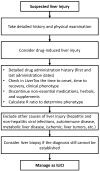 | Figure 1Diagnostic Flowchart for Immune-mediated Liver Injury Caused by Immune Checkpoint Inhibitors (ILICI). 9, 122 |
|
Several societies have published guidance regarding the diagnosis and management of ILICI. This includes the AASLD,9 American Gastroenterology Association (AGA),116 American Society of Clinical Oncology (ASCO),119 European Association for the Study of the Liver (EASL),8 European Society for Medical Oncology (ESMO),123 Multinational Association of Supportive Care in Cancer (MASCC),124 National Comprehensive Cancer Network (NCCN),125 and Society for Immunotherapy of Cancer (SITC).126 A comparison of these guidelines is summarized in Supplementary Table 1
Grade 1 Hepatotoxicity For grade 1 hepatotoxicity, the ILICI guidelines recommend continuing ICIs, especially if the condition is asymptomatic. 8, 9, 13, 116, 119, 123 When symptomatic, clinicians may give symptomatic treatment while monitoring the patient’s condition closely, including periodic liver testing. 8, 9, 13, 116, 119, 125, 126 Clinicians are advised to also perform other tests to eliminate other possible causes of hepatitis. These include testing for viral hepatitis infection, human immunodeficiency virus, autoimmune etiologies (e.g. antinuclear antibody, anti-smooth muscle antibody, antineutrophil cytoplasmic antibody, anti-mitochondrial antibody), iron studies (e.g. iron, ferritin, total-iron binding capacity), and radiologic evaluation for biliary obstruction. 8, 116, 119, 123– 126 It is also important to reassess the patient’s history of alcohol consumption and withhold other potentially hepatotoxic medications. 8, 116, 119, 123– 126
Grade 2 Hepatotoxicity All eight guidelines agree to temporarily withhold ICIs in grade 2 hepatotoxicity. 8, 9, 116, 119, 123– 126 All except for EASL agree to start 0.5–1.0 mg/kg/day oral prednisone. 9, 116, 119, 123– 126 Both ASCO 119 and MASCC 124 suggest adding immunosuppressive therapy, such as mycophenolate mofetil, if the patient does not respond to steroid therapy. Resumption of ICI therapy may be considered once the corticosteroids have been tapered to ≤10 mg/day prednisone (or equivalent) over 2–4 weeks and hepatotoxicity has improved to grade ≤1. 8, 116, 119, 123– 126 Several of the guidelines also recommend monitoring liver parameters, international normalized ratio (INR), and albumin every 3–7 days. 8, 116, 123, 124, 126 The AGA, 116 ASCO, 119 MASCC, 124 and SITC 126 guidelines also suggest considering liver biopsy in grade 2 hepatotoxicity to confirm the underlying pathology. The ESMO 123 and MASCC 124 guidelines only recommend screening for other possible causes of hepatitis starting from grade 2 hepatotoxicity or higher. Meanwhile, other guidelines from AASLD, 9 AGA, 116 ASCO, 119 EASL, 8 NCCN, 125 and SITC 126 recommend this examination starting from grade 1 hepatotoxicity.
Grade 3 or 4 Hepatotoxicity The AASLD, AGA, ASCO, EASL, and SITC all recommend permanently stopping ICIs in grade 3 or higher hepatotoxicity. 9, 116, 119, 126 However, MASCC did not specify whether ICIs should be temporarily or permanently discontinued in grade ≥3 hepatotoxicity. 124 Meanwhile, ESMO and NCCN both suggest withholding ICIs temporarily in grade 3 hepatotoxicity and permanently discontinuing ICIs in grade 4 hepatotoxicity. If the patient’s condition has improved to grade 1 hepatotoxicity, ICIs can be resumed. 123, 125 All guidelines agree to administer intravenous steroids, such as methylprednisolone, in grade 3–4 hepatotoxicity, but with varying doses. The most commonly recommended dose was 1–2 mg/kg/day of intravenous methylprednisolone or its equivalent. 8, 116, 119, 125 Other guidelines such as NCCN suggest 1.0 mg/kg/day, AASLD suggests 1–1.5 mg/kg/day, and MASCC recommends 0.5–2 mg/kg/day. 9, 124, 125 Meanwhile, ESMO recommended giving 1 mg/kg/day if the AST/ALT levels were <400 U/L and the patient had normal bilirubin, INR, and albumin. Otherwise, 2 mg/kg/day should be administered. 123 If the patient is refractory to steroids, immunosuppressive regimens, such as mycophenolate mofetil, tacrolimus, or azathioprine, can be given. 8, 9, 116, 119, 123– 126 Antithymocyte globulin may also be considered in patients with fulminant hepatitis. 116, 124, 126 Patients with grade ≥3 hepatotoxicity should also be hospitalized, possibly referred to a hepatologist, and undergo routine liver tests every 1–3 days. 8, 9, 116, 119, 123– 126 Whenever possible, a liver biopsy should also be considered at this stage. 8, 116, 119, 123– 126
Based on the synthesis of current guidelines and clinical evidence, we propose the practical approach to ILICI management shown in Table 3. | Table 3 Proposed Practical Approach for Management of Immune-mediated Liver Injury Caused by Immune Checkpoint Inhibitors (ILICI). |
|
As ICI use continues to expand, ILICI may become an increasing clinical issue. Therefore, clinicians should consider ILICI in patients who develop abnormal liver function tests after initiating ICIs. Further studies are needed to refine diagnostic and therapeutic approaches for ILICI. |
Supplementary Information |
| AASLD |
American Association for the Study of Liver Disease |
| ALT |
alanine transaminase |
| AST |
aspartate aminotransferase |
| CHILI |
checkpoint inhibitor-induced liver injury |
| CTCAE |
Common Terminology Criteria for Adverse Events |
| CTLA-4 |
cytotoxic T lymphocyte-associated protein-4 |
| DILI |
drug-induced liver injury |
| HBV |
hepatitis B virus |
| HCV |
hepatitis C virus |
| ICH |
immune checkpoint inhibitor-related hepatotoxicity |
| ICI(s) |
immune checkpoint inhibitor(s) |
| ILICI |
immune-mediated liver injury caused by ICIs |
| IMH |
immune-mediated hepatitis |
| PD-1 |
programmed cell death protein 1 |
| PD-L1 |
programmed death ligand 1. |
|
|
3. Perdyan A, Sobocki BK, Balihodzic A, Dąbrowska A, Kacperczyk J, Rutkowski J. The effectiveness of cancer immune checkpoint inhibitor retreatment and rechallenge-a systematic review. Cancers (Basel) 2023;15:3490. https://doi.org/10.3390/cancers15133490. 4. Adiwinata R, Tandarto K, Tanadi C, et al. Immune checkpoint inhibitor colitis, a rising issue in targeted cancer therapy era: a literature review. Rom J Intern Med 2024;62:219–30. https://doi.org/10.2478/rjim-2024-0015. 6. Regev A, Avigan MI, Kiazand A, et al. Best practices for detection, assessment and management of suspected immune-mediated liver injury caused by immune checkpoint inhibitors during drug development. J Autoimmun 2020;114:102514. https://doi.org/10.1016/j.jaut.2020.102514. 7. Remash D, Prince DS, McKenzie C, Strasser SI, Kao S, Liu K. Immune checkpoint inhibitor-related hepatotoxicity: a review. World J Gastroenterol 2021;27: 5376–91. https://doi.org/10.3748/wjg.v27.i32.5376. 9. Fontana RJ, Liou I, Reuben A, et al. AASLD practice guidance on drug, herbal, and dietary supplement-induced liver injury. Hepatology 2023;77:1036–65. https://doi.org/10.1002/hep.32689. 10. Liu Z, Zhu Y, Xie H, Zou Z. Immune-mediated hepatitis induced by immune checkpoint inhibitors: current updates and future perspectives. Front Pharmacol 2022;13:1077468. https://doi.org/10.3389/fphar.2022.1077468. 13. Hercun J, Vincent C, Bilodeau M, Lapierre P. Immune-mediated hepatitis during immune checkpoint inhibitor cancer immunotherapy: lessons from autoimmune hepatitis and liver immunology. Front Immunol 2022;13:907591. https://doi.org/10.3389/fimmu.2022.907591. 15. Kuo L, Kuwelker S, Tsai E. Management of autoimmune and viral hepatitis in immunotherapy: a narrative review. Ann Palliat Med 2023;12:1275–94. https://doi.org/10.21037/apm-23-250. 16. Peeraphatdit TB, Wang J, Odenwald MA, Hu S, Hart J, Charlton MR. Hepatotoxicity from immune checkpoint inhibitors: a systematic review and management recommendation. Hepatology 2020;72:315–29. https://doi.org/10.1002/hep.31227. 17. Pham C, Ennin E, Enriquez K, et al. Immune-mediated liver injury from checkpoint inhibitors requiring supratherapeutic corticosteroid and mycophenolate treatment. AIM Clin Cases 2024;3: e230779. https://doi.org/10.7326/aimcc.2023.0779. 18. Puzanov I, Diab A, Abdallah K, et al. Managing toxicities associated with immune checkpoint inhibitors: consensus recommendations from the Society for Immunotherapy of Cancer (SITC) Toxicity Management Working Group. J Immunother Cancer 2017;5:95. https://doi.org/10.1186/s40425-017-0300-z. 19. Barry C, Huang J, Ubanatu CB, Bozym J. Delayed-onset immune-mediated hepatitis following pembrolizumab discontinuation: a case report. Cureus 2025; 17:e93926. https://doi.org/10.7759/cureus.93926. 20. Chopra M, Zhang HC. S3887 Recognition of delayed-onset immune checkpoint inhibitor-mediated hepatotoxicity treated with budesonide: a case study factoring in pharmacokinetics of immunotherapies. Am J Gastroenterol 2023;118(Suppl):S2481–2. https://doi.org/10.14309/01.ajg.0000965188.32051.39. 21. Echeverri-Hoyos J, Tuta-Quintero E, Echeverri Franco JA, Bonilla N, Rojas-Londoño C. Late-onset immune-mediated hepatotoxicity induced by the immune checkpoint inhibitor pembrolizumab in lung cancer: a case report. Cureus 2025;17:e95961. https://doi.org/10.7759/cureus.95961. 23. Miao K, Zhang L. Incidence rate and treatment strategy of immune checkpoint inhibitor mediated hepatotoxicity: a systematic review. Cancer Pathog Ther 2022;1:46–55. https://doi.org/10.1016/j.cpt.2022.11.003. 26. Ferris RL, Blumenschein G Jr, Fayette J, et al. Nivolumab for recurrent squamous-cell carcinoma of the head and neck. N Engl J Med 2016;375:1856–67. https://doi.org/10.1056/NEJMoa1602252. 27. Kang YK, Boku N, Satoh T, et al. Nivolumab in patients with advanced gastric or gastro-oesophageal junction cancer refractory to, or intolerant of, at least two previous chemotherapy regimens (ONO-4538-12, ATTRACTION-2): a randomised, double-blind, placebo-controlled, phase 3 trial. Lancet 2017;390: 2461–71. https://doi.org/10.1016/S0140-6736(17)31827-5. 28. Satoh T, Kang YK, Chao Y, et al. Exploratory subgroup analysis of patients with prior trastuzumab use in the ATTRACTION-2 trial: a randomized phase III clinical trial investigating the efficacy and safety of nivolumab in patients with advanced gastric/gastroesophageal junction cancer. Gastric Cancer 2020; 23:143–53. https://doi.org/10.1007/s10120-019-00970-8. 29. Kelly RJ, Ajani JA, Kuzdzal J, et al. Adjuvant nivolumab in resected esophageal or gastroesophageal junction cancer. N Engl J Med 2021;384:1191–203. https://doi.org/10.1056/NEJMoa2032125. 30. Larkin J, Minor D, D’Angelo S, et al. Overall survival in patients with advanced melanoma who received nivolumab versus investigator’s choice chemotherapy in CheckMate 037: a randomized, controlled, open-label phase III trial. J Clin Oncol 2018;36:383–90. https://doi.org/10.1200/JCO.2016.71.8023. 33. Chong WQ, Low JL, Tay JK, et al. Pembrolizumab with or without bevacizumab in platinum-resistant recurrent or metastatic nasopharyngeal carcinoma: a randomised, open-label, phase 2 trial. Lancet Oncol 2025;26:175–86. https://doi.org/10.1016/S1470-2045(24)00677-6. 34. Cortes J, Cescon DW, Rugo HS, et al. Pembrolizumab plus chemotherapy versus placebo plus chemotherapy for previously untreated locally recurrent inoperable or metastatic triple-negative breast cancer (KEYNOTE-355): a randomised, placebo-controlled, double-blind, phase 3 clinical trial. Lancet 2020;396: 1817–28. https://doi.org/10.1016/S0140-6736(20)32531-9. 36. Finn RS, Ryoo BY, Merle P, et al. Pembrolizumab as second-line therapy in patients with advanced hepatocellular carcinoma in KEYNOTE-240: a randomized, double-blind, phase III trial. J Clin Oncol 2020; 38:193–202. https://doi.org/10.1200/JCO.19.01307. 37. Galsky MD, Mortazavi A, Milowsky MI, et al. Randomized double-blind phase II study of maintenance pembrolizumab versus placebo after first-line chemotherapy in patients with metastatic urothelial cancer. J Clin Oncol 2020;38:1797–806. https://doi.org/10.1200/JCO.19.03091. 38. Kudo M, Ren Z, Guo Y, et al. Transarterial chemoembolisation combined with lenvatinib plus pembrolizumab versus dual placebo for unresectable, non-metastatic hepatocellular carcinoma (LEAP-012): a multicentre, randomised, double-blind, phase 3 study. Lancet 2025;405:203–15. https://doi.org/10.1016/S0140-6736(24)02575-3. 39. Kuruvilla J, Ramchandren R, Santoro A, et al. Pembrolizumab versus brentuximab vedotin in relapsed or refractory classical Hodgkin lymphoma (KEYNOTE-204): an interim analysis of a multicentre, randomised, open-label, phase 3 study. Lancet Oncol 2021; 22:512–24. https://doi.org/10.1016/S1470-2045(21)00005-X. 40. Langer CJ, Gadgeel SM, Borghaei H, et al. Carboplatin and pemetrexed with or without pembrolizumab for advanced, non-squamous non-small-cell lung cancer: a randomised, phase 2 cohort of the open-label KEYNOTE-021 study. Lancet Oncol 2016;17:1497–508. https://doi.org/10.1016/S1470-2045(16)30498-3. 41. Rini BI, Plimack ER, Stus V, et al. Pembrolizumab plus axitinib versus sunitinib for advanced renal-cell carcinoma. N Engl J Med 2019;380:1116–27. https://doi.org/10.1056/NEJMoa1816714. 43. Ascierto PA, Stroyakovskiy D, Gogas H, et al. Overall survival with first-line atezolizumab in combination with vemurafenib and cobimetinib in BRAF(V600) mutation-positive advanced melanoma (IMspire150): second interim analysis of a multicentre, randomised, phase 3 study. Lancet Oncol 2023;24:33–44. https://doi.org/10.1016/S1470-2045(22)00687-8. 44. Bamias A, Davis ID, Galsky MD, et al. Atezolizumab monotherapy versus chemotherapy in untreated locally advanced or metastatic urothelial carcinoma (IMvigor130): final overall survival analysis from a randomised, controlled, phase 3 study. Lancet Oncol 2024;25:46–61. https://doi.org/10.1016/S1470-2045(23)00539-9. 45. Emens LA, Esteva FJ, Beresford M, et al. Trastuzumab emtansine plus atezolizumab versus trastuzumab emtansine plus placebo in previously treated, HER2-positive advanced breast cancer (KATE2): a phase 2, multicentre, randomised, double-blind trial. Lancet Oncol 2020;21:1283–95. https://doi.org/10.1016/S1470-2045(20)30465-4. 47. Grande E, Arranz J, De Santis M, et al. Atezolizumab plus chemotherapy versus placebo plus chemotherapy in untreated locally advanced or metastatic urothelial carcinoma (IMvigor130): final overall survival analysis results from a randomised, controlled, phase 3 study. Lancet Oncol 2024;25:29–45. https://doi.org/10.1016/S1470-2045(23)00540-5. 48. Gutzmer R, Stroyakovskiy D, Gogas H, et al. Atezolizumab, vemurafenib, and cobimetinib as first-line treatment for unresectable advanced BRAF(V600) mutation-positive melanoma (IMspire150): primary analysis of the randomised, double-blind, placebo-controlled, phase 3 trial. Lancet 2020;395:1835–44. https://doi.org/10.1016/S0140-6736(20)30934-X. 49. Hida T, Kaji R, Satouchi M, et al. Atezolizumab in Japanese patients with previously treated advanced non-small-cell lung cancer: a subgroup analysis of the phase 3 OAK study. Clin Lung Cancer 2018;19:e405–15. https://doi.org/10.1016/j.cllc.2018.01.004. 50. Kelley RK, Rimassa L, Cheng AL, et al. Cabozantinib plus atezolizumab versus sorafenib for advanced hepatocellular carcinoma (COSMIC-312): a multicentre, open-label, randomised, phase 3 trial. Lancet Oncol 2022;23:995–1008. https://doi.org/10.1016/S1470-2045(22)00326-6. 51. Kim S, Ghiringhelli F, de la Fouchardière C, et al. Atezolizumab plus modified docetaxel, cisplatin, and fluorouracil as first-line treatment for advanced anal cancer (SCARCE C17-02 PRODIGE 60): a randomised, non-comparative, phase 2 study. Lancet Oncol 2024;25:518–28. https://doi.org/10.1016/S1470-2045(24)00081-0. 52. Mansfield AS, Każarnowicz A, Karaseva N, et al. Safety and patient-reported outcomes of atezolizumab, carboplatin, and etoposide in extensive-stage small-cell lung cancer (IMpower133): a randomized phase I/III trial. Ann Oncol 2020;31:310–17. https://doi.org/10.1016/j.annonc.2019.10.021. 53. Mittendorf EA, Zhang H, Barrios CH, et al. Neoadjuvant atezolizumab in combination with sequential nab-paclitaxel and anthracycline-based chemotherapy versus placebo and chemotherapy in patients with early-stage triple-negative breast cancer (IMpassion031): a randomised, double-blind, phase 3 trial. Lancet 2020;396:1090–100. https://doi.org/10.1016/S0140-6736(20)31953-X. 54. Schmid P, Rugo HS, Adams S, et al. Atezolizumab plus nab-paclitaxel as first-line treatment for unresectable, locally advanced or metastatic triple-negative breast cancer (IMpassion130): updated efficacy results from a randomised, double-blind, placebo-controlled, phase 3 trial. Lancet Oncol 2020;21:44–59. https://doi.org/10.1016/S1470-2045(19)30689-8. 55. Sangro B, Kudo M, Erinjeri JP, et al. Durvalumab with or without bevacizumab with transarterial chemoembolisation in hepatocellular carcinoma (EMERALD-1): a multiregional, randomised, double-blind, placebo-controlled, phase 3 study. Lancet 2025;405:216–32. https://doi.org/10.1016/S0140-6736(24)02551-0. 56. Bang YJ, Ruiz EY, Van Cutsem E, et al. Phase III, randomised trial of avelumab versus physician’s choice of chemotherapy as third-line treatment of patients with advanced gastric or gastro-oesophageal junction cancer: Primary analysis of JAVELIN Gastric 300. Ann Oncol 2018;29:2052–60. https://doi.org/10.1093/annonc/mdy264. 57. Lee NY, Ferris RL, Psyrri A, et al. Avelumab plus standard-of-care chemoradiotherapy versus chemoradiotherapy alone in patients with locally advanced squamous cell carcinoma of the head and neck: a randomised, double-blind, placebo-controlled, multicentre, phase 3 trial. Lancet Oncol 2021;22:450–62. https://doi.org/10.1016/S1470-2045(20)30737-3. 59. Eggermont AM, Chiarion-Sileni V, Grob JJ, et al. Adjuvant ipilimumab versus placebo after complete resection of high-risk stage III melanoma (EORTC 18071): a randomised, double-blind, phase 3 trial. Lancet Oncol 2015;16:522–30. https://doi.org/10.1016/S1470-2045(15)70122-1. 61. Lynch TJ, Bondarenko I, Luft A, et al. Ipilimumab in combination with paclitaxel and carboplatin as first-line treatment in stage IIIB/IV non-small-cell lung cancer: results from a randomized, double-blind, multicenter phase II study. J Clin Oncol 2012;30: 2046–54. https://doi.org/10.1200/JCO.2011.38.4032. 63. Maio M, Scherpereel A, Calabrò L, et al. Tremelimumab as second-line or third-line treatment in relapsed malignant mesothelioma (DETERMINE): a multicentre, international, randomised, double-blind, placebo-controlled phase 2b trial. Lancet Oncol 2017;18:1261–73. https://doi.org/10.1016/S1470-2045(17)30446-1. 64. Janjigian YY, Bendell J, Calvo E, et al. CheckMate-032 study: efficacy and safety of nivolumab and nivolumab plus ipilimumab in patients with metastatic esophagogastric cancer. J Clin Oncol 2018;36:2836–44. https://doi.org/10.1200/JCO.2017.76.6212. 65. Larkin J, Chiarion-Sileni V, Gonzalez R, et al. Combined nivolumab and ipilimumab or monotherapy in untreated melanoma. N Engl J Med 2015;373:23–34. https://doi.org/10.1056/NEJMoa1504030. 68. Wang W, Lie P, Guo M, He J. Risk of hepatotoxicity in cancer patients treated with immune checkpoint inhibitors: a systematic review and meta-analysis of published data. Int J Cancer 2017;141:1018–28. https://doi.org/10.1002/ijc.30678. 69. Fu J, Li WZ, McGrath NA, et al. Immune checkpoint inhibitor associated hepatotoxicity in primary liver cancer versus other cancers: a systematic review and meta-analysis. Front Oncol 2021;11:650292. https://doi.org/10.3389/fonc.2021.650292. 70. Ascierto PA, Del Vecchio M, Robert C, et al. Ipilimumab 10 mg/kg versus ipilimumab 3 mg/kg in patients with unresectable or metastatic melanoma: a randomised, double-blind, multicentre, phase 3 trial. Lancet Oncol 2017;18:611–22. https://doi.org/10.1016/S1470-2045(17)30231-0. 71. Wang PF, Chen Y, Song SY, et al. Immune-related adverse events associated with anti-PD-1/PD-L1 treatment for malignancies: a meta-analysis. Front Pharmacol 2017;8:730. https://doi.org/10.3389/fphar.2017.00730. 72. Borghaei H, Paz-Ares L, Horn L, et al. Nivolumab versus docetaxel in advanced nonsquamous non-small-cell lung cancer. N Engl J Med 2015;373:1627–39. https://doi.org/10.1056/NEJMoa1507643. 73. El-Khoueiry AB, Sangro B, Yau T, et al. Nivolumab in patients with advanced hepatocellular carcinoma (CheckMate 040): an open-label, non-comparative, phase 1/2 dose escalation and expansion trial. Lancet 2017;389:2492–502. https://doi.org/10.1016/S0140-6736(17)31046-2. 74. Rizvi NA, Mazières J, Planchard D, et al. Activity and safety of nivolumab, an anti-PD-1 immune checkpoint inhibitor, for patients with advanced, refractory squamous non-small-cell lung cancer (CheckMate 063): a phase 2, single-arm trial. Lancet Oncol 2015; 16:257–65. https://doi.org/10.1016/S1470-2045(15)70054-9. 75. Topalian SL, Sznol M, McDermott DF, et al. Survival, durable tumor remission, and long-term safety in patients with advanced melanoma receiving nivolumab. J Clin Oncol 2014;32:1020–30. https://doi.org/10.1200/JCO.2013.53.0105. 76. Weber JS, D’Angelo SP, Minor D, et al. Nivolumab versus chemotherapy in patients with advanced melanoma who progressed after anti-CTLA-4 treatment (CheckMate 037): a randomised, controlled, open-label, phase 3 trial. Lancet Oncol 2015;16:375–84. https://doi.org/10.1016/S1470-2045(15)70076-8. 78. Atallah E, Welsh SJ, O’Carrigan B, et al. Incidence, risk factors and outcomes of checkpoint inhibitor-induced liver injury: a 10-year real-world retrospective cohort study. JHEP Rep 2023;5:100851. https://doi.org/10.1016/j.jhepr.2023.100851. 79. Miah A, Tinoco G, Zhao S, et al. Immune checkpoint inhibitor-induced hepatitis injury: risk factors, outcomes, and impact on survival. J Cancer Res Clin Oncol 2023;149:2235–42. https://doi.org/10.1007/s00432-022-04340-3. 80. Pan J, Liu Y, Guo X, et al. Risk factors for immune-mediated hepatotoxicity in patients with cancer treated with immune checkpoint inhibitors: a systematic review and meta-analysis. Expert Opin Drug Saf 2022;21:1275–87. https://doi.org/10.1080/14740338.2022.2134854. 83. Ravi S, Spencer K, Ruisi M, et al. Ipilimumab administration for advanced melanoma in patients with pre-existing hepatitis B or C infection: a multicenter, retrospective case series. J Immunother Cancer 2014; 2:33. https://doi.org/10.1186/s40425-014-0033-1. 84. Sangro B, Gomez-Martin C, de la Mata M, et al. A clinical trial of CTLA-4 blockade with tremelimumab in patients with hepatocellular carcinoma and chronic hepatitis C. J Hepatol 2013;59:81–8. https://doi.org/10.1016/j.jhep.2013.02.022. 85. Ali FS, Nguyen MH, Hernaez R, et al. AGA clinical practice guideline on the prevention and treatment of hepatitis B virus reactivation in at-risk individuals. Gastroenterology 2025;168:267–84. https://doi.org/10.1053/j.gastro.2024.11.008. 86. Yibirin M, Mustafayev K, Hosry J, et al. Immune checkpoint inhibitors suppress hepatitis C virus replication in infected patients with solid tumors. Am J Gastroenterol 2023;118:1609–17. https://doi.org/10.14309/ajg.0000000000002361. 87. Kumar V, Shinagare AB, Rennke HG, et al. The safety and efficacy of checkpoint inhibitors in transplant recipients: a case series and systematic review of literature. Oncologist 2020;25:505–14. https://doi.org/10.1634/theoncologist.2019-0659. 90. Varkaris A, Lewis DW, Nugent FW. Preserved liver transplant after PD-1 pathway inhibitor for hepatocellular carcinoma. Am J Gastroenterol 2017;112: 1895–6. https://doi.org/10.1038/ajg.2017.387. 91. Abdel-Wahab N, Shah M, Lopez-Olivo MA, Suarez-Almazor ME. Use of immune checkpoint inhibitors in the treatment of patients with cancer and preexisting autoimmune disease: a systematic review. Ann Intern Med 2018;168:121–30. https://doi.org/10.7326/M17-2073. 92. Danlos FX, Voisin AL, Dyevre V, et al. Safety and efficacy of anti-programmed death 1 antibodies in patients with cancer and pre-existing autoimmune or inflammatory disease. Eur J Cancer 2018;91:21–9. https://doi.org/10.1016/j.ejca.2017.12.008. 93. Kähler KC, Eigentler TK, Gesierich A, et al. Ipilimumab in metastatic melanoma patients with pre-existing autoimmune disorders. Cancer Immunol Immunother 2018;67:825–34. https://doi.org/10.1007/s00262-018-2134-z. 94. Menzies AM, Johnson DB, Ramanujam S, et al. Anti-PD-1 therapy in patients with advanced melanoma and preexisting autoimmune disorders or major toxicity with ipilimumab. Ann Oncol 2017;28:368–76. https://doi.org/10.1093/annonc/mdw443. 95. Tison A, Quéré G, Misery L, et al. Safety and efficacy of immune checkpoint inhibitors in patients with cancer and preexisting autoimmune disease: a nationwide, multicenter cohort study. Arthritis Rheumatol 2019;71:2100–11. https://doi.org/10.1002/art.41068. 98. Ye H, Nelson LJ, Gómez Del Moral M, Martínez-Naves E, Cubero FJ. Dissecting the molecular pathophysiology of drug-induced liver injury. World J Gastroenterol 2018;24:1373–85. https://doi.org/10.3748/wjg.v24.i13.1373. 100. McKenzie J, Sneath E, Trinh A, Nolan M, Spain L. Updates in the pathogenesis and management of immune-related enterocolitis, hepatitis and cardiovascular toxicities. Immunooncol Technol 2024;21: 100704. https://doi.org/10.1016/j.iotech.2024.100704. 101. Suzman DL, Pelosof L, Rosenberg A, Avigan MI. Hepatotoxicity of immune checkpoint inhibitors: an evolving picture of risk associated with a vital class of immunotherapy agents. Liver Int 2018;38:976–87. https://doi.org/10.1111/liv.13746. 102. Alessandrino F, Tirumani SH, Krajewski KM, et al. Imaging of hepatic toxicity of systemic therapy in a tertiary cancer centre: chemotherapy, haematopoietic stem cell transplantation, molecular targeted therapies, and immune checkpoint inhibitors. Clin Radiol 2017;72:521–33. https://doi.org/10.1016/j.crad.2017.04.003. 103. De Martin E, Michot JM, Papouin B, et al. Characterization of liver injury induced by cancer immunotherapy using immune checkpoint inhibitors. J Hepatol 2018;68:1181–90. https://doi.org/10.1016/j.jhep.2018.01.033. 104. Riveiro-Barciela M, Barreira-Díaz A, Vidal-González J, et al. Immune-related hepatitis related to checkpoint inhibitors: clinical and prognostic factors. Liver Int 2020;40:1906–16. https://doi.org/10.1111/liv.14489. 106. Huffman BM, Kottschade LA, Kamath PS, Markovic SN. Hepatotoxicity after immune checkpoint inhibitor therapy in melanoma: natural progression and management. Am J Clin Oncol 2018;41:760–5. https://doi.org/10.1097/COC.0000000000000374. 110. Berry P, Kotha S, Zen Y, et al. Immune checkpoint inhibitor-related cholangiopathy: novel clinicopathological description of a multi-centre cohort. Liver Int 2023;43:147–54. https://doi.org/10.1111/liv.15340. 111. Moi L, Bouchaab H, Mederos N, et al. Personalized cytokine-directed therapy with tocilizumab for refractory immune checkpoint inhibitor-related cholangiohepatitis. J Thorac Oncol 2021;16:318–26. https://doi.org/10.1016/j.jtho.2020.09.007. 112. Onoyama T, Takeda Y, Yamashita T, et al. Programmed cell death-1 inhibitor-related sclerosing cholangitis: a systematic review. World J Gastroenterol 2020;26:353–65. https://doi.org/10.3748/wjg.v26.i3.353. 116. Dougan M, Wang Y, Rubio-Tapia A, Lim JK. AGA clinical practice update on diagnosis and management of immune checkpoint inhibitor colitis and hepatitis: expert review. Gastroenterology 2021;160: 1384–93. https://doi.org/10.1053/j.gastro.2020.08.063. 117. Li M, Sack JS, Bell P, et al. Utility of liver biopsy in diagnosis and management of high-grade immune checkpoint inhibitor hepatitis in patients with cancer. JAMA Oncol 2021;7:1711–14. https://doi.org/10.1001/jamaoncol.2021.4342. 118. Parlati L, Marcin K, Terris B, et al. Histological characteristics and management of hepatitis on immune checkpoint inhibitors: a retrospective descriptive study. J Clin Med 2023;12:3751. https://doi.org/10.3390/jcm12113751. 119. Schneider BJ, Naidoo J, Santomasso BD, et al. Management of immune-related adverse events in patients treated with immune checkpoint inhibitor therapy: ASCO guideline update. J Clin Oncol 2021; 39:4073–126. https://doi.org/10.1200/JCO.21.01440. 120. Xie X, He X, Ye X, et al. Clinical significance of liver biopsy in the diagnosis of liver disease and the evaluation of the clinical efficacy of antiviral treatment for chronic hepatitis B. Am J Transl Res 2024;16:4867–75. https://doi.org/10.62347/qqei5676. 122. Ito T, Takeuchi Y, Mizuno K, et al. Diagnostic guide for immune checkpoint inhibitor-induced liver injury. Hepatol Res 2024;54:719–26. https://doi.org/10.1111/hepr.14078. 123. Haanen J, Obeid M, Spain L, et al. Management of toxicities from immunotherapy: ESMO clinical practice guideline for diagnosis, treatment and follow-up. Ann Oncol 2022;33:1217–38. https://doi.org/10.1016/j.annonc.2022.10.001. 124. Dougan M, Blidner AG, Choi J, et al. Multinational Association of Supportive Care in Cancer (MASCC) 2020 clinical practice recommendations for the man-agement of severe gastrointestinal and hepatic toxicities from checkpoint inhibitors. Support Care Cancer 2020;28:6129–43. https://doi.org/10.1007/s00520-020-05707-3. 125. National Comprehensive Cancer Network. Management of immunotherapy-related toxicities. Version 1.2024. NCCN Clinical Practice Guidelines in Oncology. National Comprehensive Cancer Network; 2024. Available at: https://www.nccn.org/guidelines/detail?category=3&id=1486 (accessed December 30, 2025). 126. Brahmer JR, Abu-Sbeih H, Ascierto PA, et al. Society for Immunotherapy of Cancer (SITC) clinical practice guideline on immune checkpoint inhibitor-related adverse events. J Immunother Cancer 2021;9: e002435. https://doi.org/10.1136/jitc-2021-002435. |
